Does Bionic Reading Actually Work? What the Evidence Says
Bolding the first part of each word feels like it should speed you up. The honest answer is that it helps some people, and the studies are not convinced.
By Mubasher Hussain · Published 2026-09-11 · Updated 2026-10-03 · 1068 words · about 5 minute read

Bionic reading is the idea that bolding the first few letters of every word helps you read faster. It spread quickly because it feels plausible and looks striking. But does it actually work? The honest answer is that it helps some people subjectively and the controlled evidence has not backed up the speed claims. This guide explains the mechanism and what the research found, so you can judge it for yourself with the free Bionic Reading Converter.
What bionic reading actually does
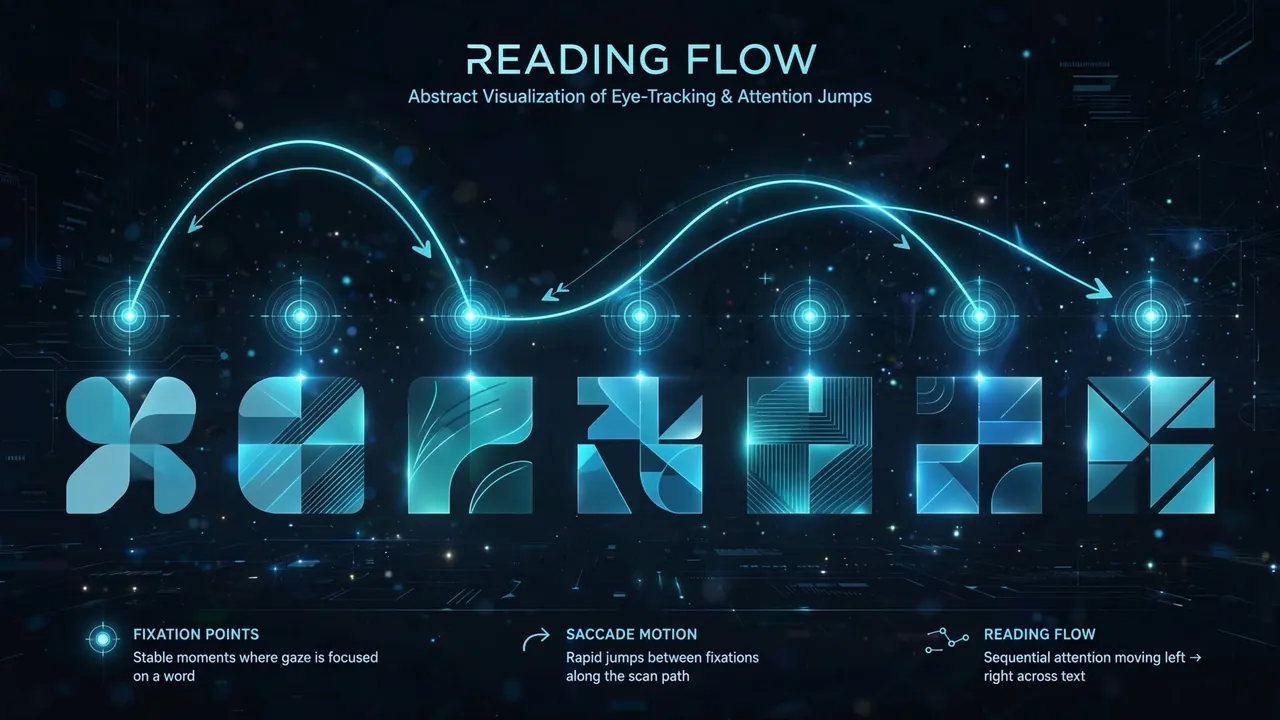
The technique bolds the opening portion of each word, usually the first one to several letters depending on word length, and leaves the rest in normal weight. The stated theory is that these bold openings act as fixation points, the spots your eyes naturally land on, and that your brain can recognise a familiar word from its first letters and shape without reading every character. In that account, the bold prefixes let your eyes hop from word to word more efficiently.
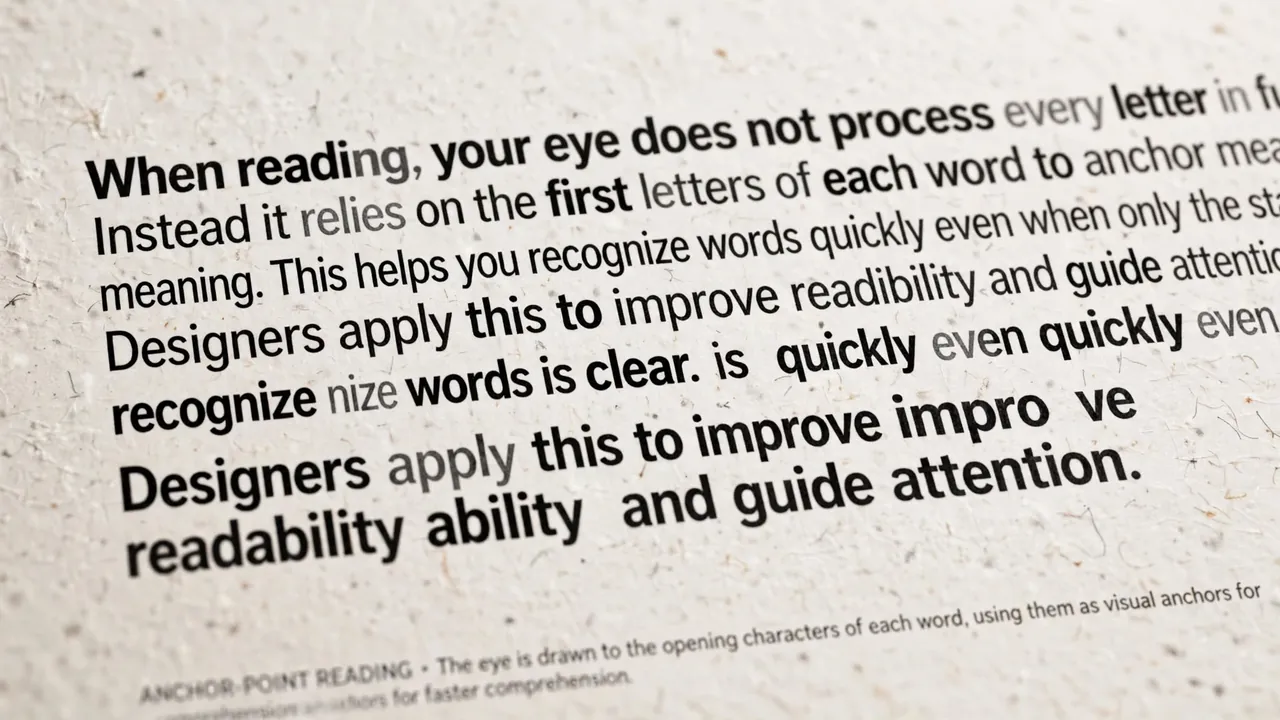
It is a reasonable-sounding story built on a real fact: skilled readers do not read letter by letter, they recognise whole words and even predict them from context and shape. The open question is whether artificially bolding word openings actually improves on the reading your brain already does so well.
What the studies found
This is where the popular claim and the evidence part ways. Independent studies that measured reading speed and comprehension with and without bionic-style bolding have generally found no reliable improvement, and some found a small slowdown. Results also vary a great deal between individuals, which is exactly the pattern you see when an effect is weak or driven by preference rather than a genuine mechanism.
As of now, controlled research does not support the claim that bionic reading makes people read faster or understand more on average. That does not mean it is useless to you personally, only that it is not the proven speed boost it is often sold as.
There is an important gap between feeling faster and being faster. Bolded openings can make a page feel more navigable and less daunting, which is a real and valuable experience, but feeling more engaged is not the same as measurably higher words per minute, and studies that separate the two tend to find the feeling without the speed.
Paste any text and bold the opening of each word, with an adjustable fixation. Copies real bold Unicode so you can read it here or paste it elsewhere.
Who might genuinely benefit
Averages hide individuals, and some readers report that bolded word openings help them stay on the line and resist skipping, particularly with long or dense material or when concentration is hard to hold. People with attention difficulties sometimes find it useful as a focus aid rather than a speed tool. None of this is settled science, but a reading aid that some people find genuinely comfortable is worth having, as long as nobody is promised a speed increase that the evidence does not support.
The sensible way to decide is to try it on your own material and notice honestly whether it helps, rather than assuming it must because it is popular. Adjust how much of each word is bolded: a light setting gives a gentle cue, a heavy one is more forceful but can start to feel cluttered.
How to try it fairly
Convert a piece of text you would normally read, set the fixation somewhere in the middle, and read a few paragraphs. Then read a similar piece as plain text. Pay attention to whether you actually finished sooner and understood as much, not just to whether the bold version looked more inviting. If it helps you, use it; if it does not, you have lost nothing, and you have avoided paying for a browser extension that promises more than the research delivers.
Setting the fixation, and a note on dyslexia
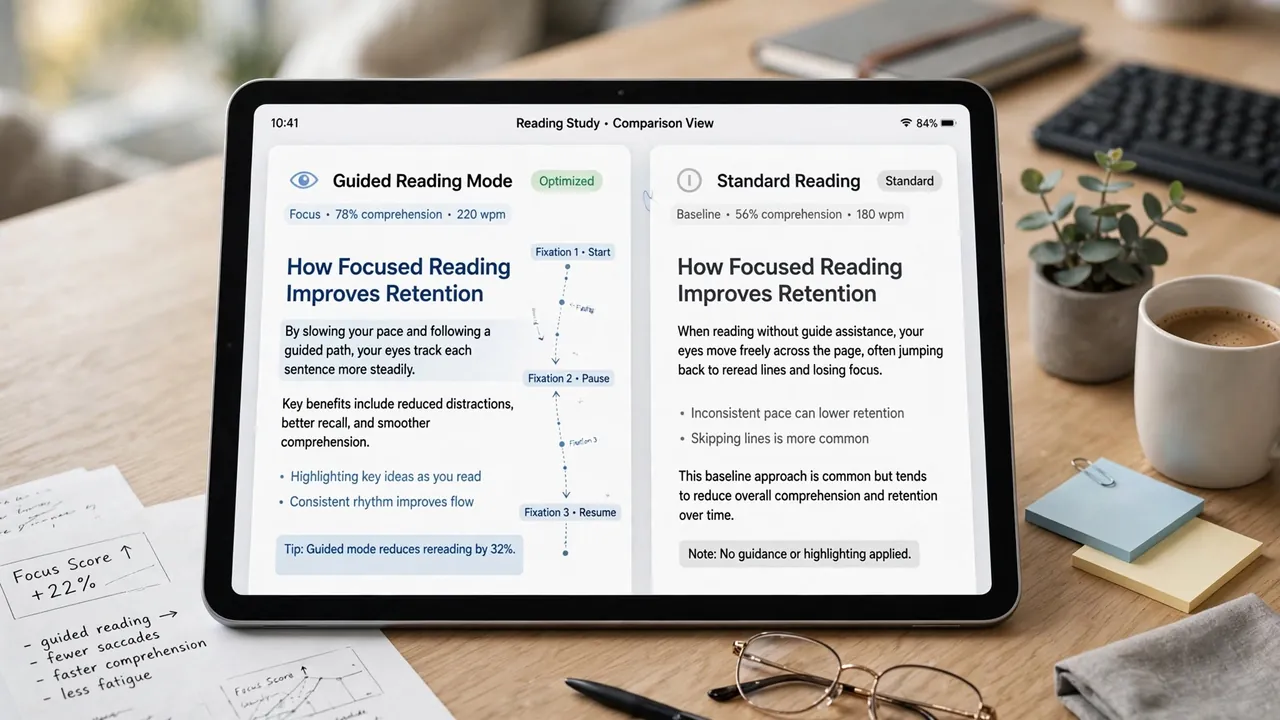
If you do try it, the fixation setting matters more than people expect. A light fixation bolds only the first letter or two and reads almost like normal text with a gentle nudge; a heavy fixation bolds most of each word and can start to feel busy, with so much bold that the cue loses its meaning. Somewhere in the middle usually feels most natural, so adjust it to your own eye rather than leaving it at a default. As for dyslexia, which comes up often in these discussions, the picture is the same as elsewhere: some people with dyslexia report that it helps them hold the line, but there is no strong evidence that bionic-style bolding is a reliable dyslexia aid, and established approaches such as wider spacing and specific fonts have better support. Treat it as one option to try, not a treatment.
Bionic reading vs speed reading
It helps to separate bionic reading from speed reading, because people often lump them together. Speed reading is a set of techniques you practise, such as widening your eye span, cutting subvocalisation and using a pointer to pace yourself, and it asks you to change your habits. Bionic reading changes the text instead of the reader: you do nothing differently, the bold prefixes are meant to do the work. Both make strong speed claims, and in both cases the controlled evidence is far weaker than the marketing. The honest common ground is that comfort and focus are easier to influence than raw words-per-minute, so treat either one as a way to make reading feel more manageable rather than a guaranteed shortcut.
Bionic reading is a genuinely interesting idea that the evidence has not yet vindicated as a speed tool, but that some readers still like. Try it honestly with the Bionic Reading Converter, and if your real goal is clearer writing rather than faster reading, the Readability Checker is the better place to start.